

FIRSTEK - Your Solar Battery Manufacturer with Reliable Solutions
With 20 years of industry experience, FIRSTEK enjoys a high reputation in the manufacturing and research and development of lead-acid batteries and lithium iron phosphate batteries.
High R&D Level
Our FIRSTEK R&D Institute is a comprehensive R&D center integrating material R&D and testing verification functions. We are committed to becoming a national-level technology incubation center and testing center, with research branches such as battery technology, battery applications, and battery equipment under our jurisdiction. At present, we have applied for and obtained a number of patents, and our research and development level is at the leading level in the industry.
Customize and OEM/ODM Your Project
FIRSTEK not only produces automotive batteries, VRLA/SLA batteries, LiFePO4 batteries, ESM (energy storage modules) and ESS (energy storage systems), solar home systems, but also customizes lithium-ion batteries and develops BMS to meet the battery needs of different applications.
Multiple Certifications
Our company has obtained multiple international certifications, including ISO9001, ISO14001, ISO45001, OHS MS18001, UL, CE, KS, VDS, CB, BIS, SASO. All our batteries are produced to strict standards. Our company has also won the title of high-tech enterprise.
Environmental Friendly
FIRSTEK closely integrates its business philosophy with the social environment and establishes an industrial chain including materials, batteries, system integration, recycling, etc. By mastering the echelon utilization technology of the entire industry chain, we form a closed loop of the echelon utilization industry chain, aiming to contribute to environmental protection.
-

Low Temperature 25.6V6.7Ah 8S2P LiFePO4 Solar Tracker Battery
• Charging temperature:-20℃~60℃. • Discharging temperature:-40℃~+60℃. • Model number: ST24-6.7-LT .
Add to Inquiry -
25.6V6Ah 8S1P LiFePO4 Solar Tracker Battery
• Charging temperature:0℃~60℃. • Discharging temperature:-20℃~+60℃. • Model number: ST24-6 . •
Add to Inquiry -
12V20Ah LiFePO4 Solar Street Light Battery
• Model number: SL1220 . • Nominal voltage: 12.8V. • Nominal capacity: 20.4Ah. • Battery type:
Add to Inquiry -
12V34Ah LiFePO4 Solar Street Light Battery
• Model number: SL1234 . • Nominal voltage: 12.8V. • Nominal capacity: 34Ah. • Battery type:
Add to Inquiry -
12V40Ah LiFePO4 Solar Street Light Battery
• Model number: SL1240 . • Nominal voltage: 12.8V. • Nominal capacity: 40.8Ah. • Battery type:
Add to Inquiry -
12V50Ah LiFePO4 Solar Street Light Battery
• Model number: SL1250 . • Nominal voltage: 12.8V. • Nominal capacity: 51Ah. • Battery type:
Add to Inquiry -
24V24Ah LiFePO4 Solar Street Light Battery
• Model number: SL2424 . • Nominal voltage: 25.6V. • Nominal capacity: 23.8Ah. • Battery type:
Add to Inquiry -
24V38Ah LiFePO4 Solar Street Light Battery
• Model number: SL2438 . • Nominal voltage: 25.6V. • Nominal capacity: 37.4Ah. • Battery type:
Add to Inquiry -
24V50Ah LiFePO4 Solar Street Light Battery
• Model number: SL2450 . • Nominal voltage: 25.6V. • Nominal capacity: 47.6Ah. • Battery type:
Add to Inquiry -
Low Temperature 25.6V3.35Ah 8S1P LiFePO4 Solar Tracker Battery
• Charging temperature:-20℃~60℃. • Discharging temperature:-40℃~+60℃. • Model number: ST24-3.35-LT
Add to Inquiry -
25.6V3.3Ah 8S1P LiFePO4 Solar Tracker Battery
• Charging temperature:0℃~60℃. • Discharging temperature:-20℃~+60℃. • Model number: ST24-3.3 . •
Add to Inquiry -
25.6V6.6Ah 8S2P LiFePO4 Solar Tracker Battery
• Charging temperature:0℃~60℃. • Discharging temperature:-20℃~+60℃. • Model number: ST24-6.6 . •
Add to Inquiry


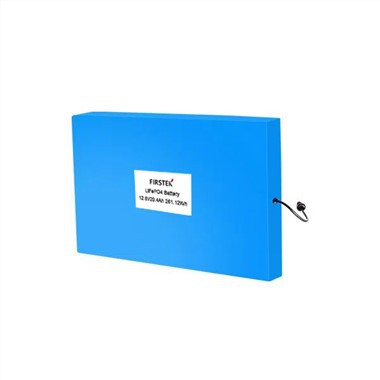


Brief Introduction to Solar Battery
A common type of solar battery is used to power solar panel trackers. A solar tracking system is a device used to automatically track the sun so that the main optical axis of the energy collector is always parallel to the sun's rays. Solar energy is stored in solar cells or solar arrays and can be used to power a home or business, or to provide backup power during power outages or when energy demand is high. Solar energy has now become an unbeatable force in the field of renewable energy.
Main Features of LiFePO4 Solar Battery
Has a Long Lifespan
LiFePO4 Solar battery is regarded as the best solar battery because of its long lifespan. They are known for having a longer lifespan compared to other types of batteries used in solar power systems. They can last up to 15 years or more with proper maintenance, which is significantly longer than the lifespan of lead-acid batteries, which typically last around 5 years, and Lithium-ion batteries, which last about 10 years.
No Active Maintenance is Required
LiFePO4 Solar batteries are generally considered to be low maintenance compared to other battery types. Although they are low maintenance, they require an easy routine like regular charging and cleaning. Regular cleaning of the battery terminals and surrounding area is important to prevent corrosion and buildup of dirt or debris.
Offer High Power Density with Small and Light Features
LiFePO4 Solar batteries are known for their high power density and compact, lightweight design. Compared to other battery types, such as lead-acid or nickel-cadmium batteries, they can provide significantly more power for their size and weight.This is due to their unique chemistry of them, which allows for high energy density and fast charging capabilities. LiFePO4 batteries have a high charge acceptance rate, which means they can be charged quickly without risk of damage or reduced lifespan.
Fast Charge and Discharge Rates
LiFePO4 Solar batteries are capable of fast charging and discharging rates compared to other battery types. They have a high current flow rate and much higher capacity, allowing them to charge fast and discharge fast. LiFePO4 batteries can be charged at a maximum current of 100A, resulting in a full charge in approximately 1 hour. Similarly, they can also be discharged at high rates without significantly impacting their lifespan. They can typically handle discharge rates of up to 3C, meaning a 100Ah battery could deliver up to 300A of current.
Advantages of LiFePO4 Solar Battery
Longevity and Cycle Life
One of the most compelling features of lithium iron phosphate solar cells is their longer service life. LiFePO4 batteries have a higher cycle life than other battery chemistries, with a greater ability to withstand multiple charge and discharge cycles. This exceptional durability makes them a long-term, cost-effective option for solar energy storage.
01
High Energy Density
A significant advantage of solar lithium iron phosphate batteries is their high energy density. This means that LiFePO4 Solar batteries can store large amounts of energy in a relatively small space, providing efficient power output for solar applications. It is a game changer for solar installations, especially the need to maximize power storage within limited space.
02
Safety Features
LiFePO4 Solar batteries are known for their inherent safety properties. Lithium iron phosphate is chemically stable and prevents thermal runaway, a common hazard in other lithium-ion batteries. The safety provided by these batteries is especially important in demanding applications.
03
Wide Temperature Range
LiFePO4 Solar batteries operate effectively over a wide temperature range. Whether in sweltering heat or freezing cold, these batteries maintain impressive performance. Such a wide temperature tolerance is valuable in solar applications, where conditions can vary widely.
04
Environmental Friendly
The composition of lithium iron phosphate is less harmful than many other battery chemistries, and these solar cells do not contain any heavy metals and harmful substances, reducing their environmental impact. If you are looking for green energy solutions, LiFePO4 solar cells are a perfect choice.
05
Solar Battery Specifications
| Product Name | Low Temperature 25.6V6.7Ah 8S2P LiFePO4 Solar Tracker Battery |
| Battery Type | LiFePO4 |
| Nominal Voltage | 25.6V |
| Nominal Capacity | 6.7Ah |
| Usable Capacity | 171.52Wh |
| Dimensions | 216*57*77mm |
| Weight | 1.44Kg |
| Charging Voltage | 28.4V~29.2V |
| Charging Current | 0.67A |
| Discharging Voltage | 18.4 V~29.2V |
| Discharging Current | 12.5A |
| Peak Discharging Current | 15.0A(5ms) |
| Wire & Connector | As per requirements |
| Charging Temperature | -20℃~60℃ |
| Discharging Temperature | -40℃~60℃ |
| Storage Temperature | -20℃~45℃ |
| Cycle Life | >2000 (25℃ 80%DOD@0.2C) |
| Design Life | 5 year (25℃) |
| Certification | CE/UN38.3 |
Three Popular Kinds of Solar Batteries
Lead-Acid Batteries
Lead-acid is among the oldest battery for solar. They have been in use for over 150 years and are well-established and reliable technology. They are made up of lead and sulfuric acid. Although they offer affordable solar energy storage, lead-acid batteries have some notable disadvantages. These include cases of possible leakage, which poses a threat to the user and the environment. Also, they are relatively heavy and have a limited lifespan, typically around 5 years.
Lithium-Ion Batteries
The lithium-ion solar battery is an upgrade of lead-acid batteries. It is better suited for solar power systems because of its high energy density. This allows them to store more energy per unit of weight or volume than lead-acid batteries. They also have a longer lifespan, typically 10 years or more, which means they may be more cost-effective over the long term.
LiFePO4 Batteries
LiFePO4 batteries are rechargeable batteries that are gaining popularity in solar power systems. They are a variation of lithium solar batteries. LiFePO4 offers some unique advantages over other types of batteries, such as lead-acid and lithium solar batteries. They have a longer lifespan of up to 15 years and a fast charging time. Overall, LiFePO4 batteries offer significant advantages over other types of batteries for solar power systems, especially in applications where safety, lifespan, and energy density are important considerations. They are widely considered to be the safest type of lithium battery.
Five Points to Consider When Purchasing Solar Batteries
The life cycle of a battery refers to the number of times it can be charged and discharged before it begins to lose capacity and performance. It is important to consider the lifespan of the solar battery before purchasing it to be sure of getting a durable battery. LiFePO4 batteries typically have a longer life cycle than other battery types, with some models capable of over 10,000 charge and discharge cycles. Lead-acid batteries, on the other hand, have a shorter life cycle of around 500-1000 cycles.
The capacity of a battery is the amount of energy it can store, measured in kilowatt-hours (kWh). Power on the other hand, power is the rate at which the battery can deliver energy for use. When choosing a solar battery, it is important to consider both power and capacity. The specific power and capacity requirements will depend on the energy needs for the intended purpose, so it is important to carefully evaluate the energy usage and choose a battery that can meet those needs.
Round-trip efficiency refers to the amount of energy that can be stored in the battery compared to the amount of energy that can be retrieved from the battery. In other words, it measures how much energy is lost during the charging and discharging process. A battery with high round-trip efficiency will lose less energy during the charging and discharging process. The reverse is the case with a battery with lesser round-trip efficiency.
Solar batteries are complex products that require careful installation and maintenance. It is important to have access to reliable technical support and troubleshooting assistance in case of any issues. Look for a manufacturer with a good reputation for customer service, including timely response to inquiries and a willingness to provide technical support and guidance as needed.
When considering a solar battery, it is important to look for a warranty that covers both the performance and the lifespan of the battery. This typically includes a warranty against defects in materials and workmanship, as well as a guarantee of the battery's capacity and performance over a specified period of time. By understanding and considering these elements, an informed decision can be made in choosing the best solar batteries and getting good value for the money spent.
Operating Safety Tips about LiFePO4 Solar Batteries

Once your LiFePO4 solar battery is installed, it's essential to observe these operational safety practices:
Monitoring
Regularly monitor your battery's performance and condition using the provided software or monitoring tools. Pay attention to any unusual behavior.
Temperature Control
Keep the battery within its recommended operating temperature range. Extreme heat or cold can affect its performance and lifespan.
Avoid Overcharging/Over-Discharging
Never overcharge or over-discharge your LiFePO4 battery, as this can lead to reduced lifespan and safety risks.
Maintain Proper Charge/Discharge Rates
LiFePO4 solar batteries have recommended charge and discharge rates. Adhere to these rates to prevent damage and maintain safety.
Emergency Response
Have an emergency response plan in place in case of a thermal event or other unforeseen issues. Ensure all personnel are familiar with this plan.
LiFePO4 Solar Batteries Maintenance Guidelines
Regular maintenance is crucial to ensure the longevity and safety of your LiFePO4 solar battery.
Cleaning
Keep the battery and its surroundings clean and free of dust and debris. Dirty components can affect heat dissipation.
01
Visual Inspection
Periodically inspect the battery for signs of damage, leaks, or corrosion. If you notice any issues, contact a professional for assistance.
02
Cell Balancing
If your LiFePO4 solar battery includes multiple cells, perform regular cell balancing to ensure equal charge levels among cells.
03
BMS Checks
If your battery has a Battery Management System, check its status and logs regularly for any abnormal readings or error messages.
04
Terminal Tightening
Ensure all battery terminals and connections are properly tightened to prevent overheating due to resistance.
05
Lifepo4 Solar Battery Safe Storage Guide
Storing your LiFePO4 solar battery properly is crucial in maintaining its longevity and performance. It is important to follow specific guidelines when storing the battery, such as keeping it in a cool and dry place with a moderate temperature range. Additionally, during winter months, special precautions must be taken to ensure that the battery does not freeze or become damaged due to extreme temperatures.
One of the first things to consider when storing a lifepo4 battery is the temperature. These batteries are sensitive to extreme temperatures, so it's important to keep them in a cool, dry place. Ideally, they should be stored at room temperature (around 20°C) with low humidity levels.
Another factor to consider when storing your lifepo4 battery is its charge level. It's best to store these batteries at around 50% charge level as this helps preserve their lifespan. If you plan on storing your battery for an extended period, it's recommended that you fully discharge it before putting it away. Additionally, make sure to store your battery in a safe and secure location away from any flammable materials or sources of heat.
Taking extra precautions with LiFePO4 batteries is crucial in winter, as if left unchecked, cold temperatures can freeze the lifepo4 batteries, severely damaging their performance. To ensure optimal battery performance during the cooler months, there are a few steps you should take:
Charge Level: If you plan on storing your Lifepo4 battery for an extended period during winter, you should charge it fully before storing it. This will help protect against damage caused by freezing temperatures and reduce strain on the battery's cells.
Temperature Control: If possible, try to store LiFePO4 batteries indoors in a temperature-controlled environment. Storing them in an area where temperatures do not dip below 0°C (32°F) is ideal for protecting against any potential damage caused by cold weather.
Maintenance Schedule: Regularly inspect and maintain your LiFePO4 batteries throughout winter to check for any signs of damage or degradation. Periodically test their capacity and replace components as needed to keep them performing optimally year-round.
Lithium Iron Phosphate (LiFePO4 or LFP) batteries have become increasingly popular due to their high energy density and long lifespans, but they can be dangerous if not handled properly. It is important to understand the best practices for preventing fires and explosions caused by LiFePO4 batteries in order to ensure safety.
Preventing potential Lifepo4 battery fires requires adherence to best practices and guidelines. First and foremost, it is important to handle the batteries with care during charging, storage, and transportation. Overcharging or undercharging the battery can lead to thermal runaway, which can cause a fire. It is recommended to use a charger specifically designed for Lifepo4 batteries and avoid using chargers that are not approved by the manufacturer. Additionally, it is essential to monitor the temperature of the battery during charging as high temperatures can also lead to thermal runaway. Proper storage of Lifepo4 batteries is also crucial in preventing fires. Batteries should be stored in cool and dry environments away from direct sunlight or heat sources. It is important to avoid storing them near flammable materials or liquids that could ignite in case of fire. Regular inspection of the batteries for any physical damage such as dents, scratches, or leaks should also be done as damaged cells may increase the risk of fire hazards. In case of any issues with your Lifepo4 battery, seek professional help for troubleshooting instead of attempting DIY solutions that may worsen the situation.
Exploding Lifepo4 batteries can pose a serious safety risk, but it is important to understand the circumstances and factors that contribute to these incidents. While rare, explosions can occur due to several reasons such as overcharging, overheating, physical damage or puncture, and manufacturing defects. It is crucial for users to adhere to proper lifepo4 battery maintenance and care practices to minimize the risk of such incidents. To prevent explosions, users must ensure they follow recommended lifepo4 battery maintenance tips such as storing them at room temperature away from direct sunlight and humidity, not overcharging them by monitoring charging times closely, avoiding physical damage by handling them with care when installing into devices, using recommended charging equipment only and inspecting batteries regularly for any signs of wear or damage before use. These simple yet effective steps will help keep your lifepo4 batteries running safely for longer while minimizing the potential risks of accidents occurring due to negligence.
High temperatures can have a detrimental effect on the performance of lithium iron phosphate batteries, as evidenced by research showing that the best working temperature range of lifepo4 battery is -20℃- 60℃, when this temperature range is exceeded, the battery capacity will drop significantly. To ensure optimal performance and longevity of Lifepo4 batteries it is important to take steps to avoid high temperatures. This includes:
● Keeping the battery away from direct sunlight
● Ensuring proper ventilation around the battery and its surroundings
● Using a temperature-controlled charger when charging
● Avoiding prolonged exposure to extreme heat sources such as an open flame or hot air blower.
Research has also shown that operating at higher than recommended temperatures can lead to reduced cycle life, increased cell impedance, and decreased capacity due to permanent damage caused by thermal degradation. Such considerations are especially relevant in applications where the ambient temperature is likely to exceed 60°C. For example, electric vehicles should be designed with special cooling systems for managing heat generated by the batteries during charging and discharging cycles.
Process Quality Management
We implement the following quality management processes:

Factory Photos
The picture below is our factory:

Ultimate Guide
As one of the most professional solar battery manufacturers and suppliers in China, we're featured by high quality and good service. Please rest assured to buy solar battery at reasonable price from our factory. Contact us for datasheet and quotation.
48v 100ah lifepo4 5 12 kwh, residential solar battery systems