

FIRSTEK - Your Car Battery Manufacturer with Reliable Solutions
With 20 years of industry experience, FIRSTEK enjoys a high reputation in the manufacturing and research and development of lead-acid batteries and lithium iron phosphate batteries.
High R&D Level
Our FIRSTEK R&D Institute is a comprehensive R&D center integrating material R&D and testing verification functions. We are committed to becoming a national-level technology incubation center and testing center, with research branches such as battery technology, battery applications, and battery equipment under our jurisdiction. At present, we have applied for and obtained a number of patents, and our research and development level is at the leading level in the industry.
Customize and OEM/ODM Your Project
FIRSTEK not only produces automotive batteries, VRLA/SLA batteries, LiFePO4 batteries, ESM (energy storage modules) and ESS (energy storage systems), solar home systems, but also customizes lithium-ion batteries and develops BMS to meet the battery needs of different applications.
Multiple Certifications
Our company has obtained multiple international certifications, including ISO9001, ISO14001, ISO45001, OHS MS18001, UL, CE, KS, VDS, CB, BIS, SASO. All our batteries are produced to strict standards. Our company has also won the title of high-tech enterprise.
Environmental Friendly
FIRSTEK closely integrates its business philosophy with the social environment and establishes an industrial chain including materials, batteries, system integration, recycling, etc. By mastering the echelon utilization technology of the entire industry chain, we form a closed loop of the echelon utilization industry chain, aiming to contribute to environmental protection.
-

• Dimension(L*W*H*TH): 150*87*145 mm . • Battery type: Motorcycle battery, Maintenance free
Add to Inquiry -
• Dimension(L*W*H*TH): 150*87*130 mm . • Battery type: Motorcycle battery, Maintenance free
Add to Inquiry -
• Dimension(L*W*H*TH): 135*75*139 mm . • Battery type: Motorcycle battery, Maintenance free
Add to Inquiry -
• Dimension(L*W*H*TH): 113*70*130 mm . • Battery type: Motorcycle battery, Maintenance free
Add to Inquiry -
• Dimension(L*W*H*TH): 150*60*130 mm . • Battery type: Motorcycle battery, Maintenance free
Add to Inquiry -
• Dimension(L*W*H*TH): 135*70*105 mm . • Battery type: Motorcycle battery, Maintenance free
Add to Inquiry -
• Dimension(L*W*H*TH): 135*70*105 mm . • Battery type: Motorcycle battery, Maintenance free
Add to Inquiry -
• Dimension(L*W*H*TH): 120*60*130 mm . • Battery type: Motorcycle battery, Maintenance free
Add to Inquiry -
• Dimension(L*W*H*TH): 113*70*105 mm . • Battery type: Motorcycle battery, Maintenance free
Add to Inquiry -
• Dimension(L*W*H*TH): 113*70*85 mm . • Battery type: Motorcycle battery, Maintenance free
Add to Inquiry -
High Power 12V 200AH Sealed Lead Acid Battery
• Model number: 6FM200HR UPS lead acid Battery, High power rate AGM VRLA/SLA battery• Capacity (15
Add to Inquiry -
High Power 12V 150AH Sealed Lead Acid Battery
• Model number: 6FM150HR UPS lead acid Battery, High power rate AGM VRLA/SLA battery• Capacity (15
Add to Inquiry
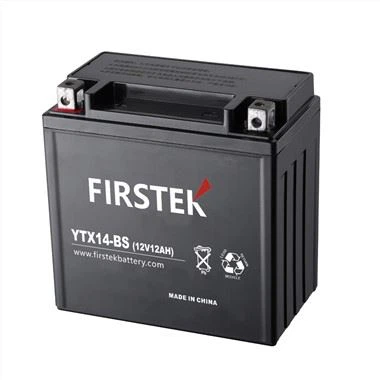


Brief Introduction to a Lead Acid Battery
Lead acid battery is a type of battery whose electrodes are mainly made of lead and the electrolyte is sulfuric acid solution. It is generally divided into two types: open type batteries and valve-regulated batteries. The former requires regular acid injection for maintenance, while the latter is a maintenance-free battery. Although it has a small energy-to-volume ratio and a very low energy-to-weight ratio, its ability to deliver high surges indicates that this battery has a relatively large power-to-weight ratio.
Main Features of Lead Acid Batteries
Maintenance Free
Sealed lead-acid batteries feature a valve-controlled, leak-proof structure that allows for trouble-free, safe operation in any position. There is no need to add electrolytes as the gases produced during charging recombine in a unique "oxygen cycle".
Easy to Operate
Due to leak-proof battery construction, lead-acid batteries require no special handling precautions or shipping containers (either surface or air).
Long Lasting
The design life of lead-acid batteries can range from 3 - 5 years all the way up to over 12 years, depending on the manufacturing process of the battery. There are many factors that affect battery life, including temperature, see our technical manual for more information.
Design Flexibility
Lead-acid batteries can be used in series and/or parallel for a choice of voltage and capacity. Thanks to recent design breakthroughs, the same battery can be used in cycling or standby applications. Our battery product portfolio is one of the largest in the industry.
Solid Structure
High-impact battery case made of non-conductive ABS plastic. Large-capacity batteries often come in polypropylene casings. All of these materials are highly resistant to shock, vibration, chemicals and heat. Flame retardant (FR) battery boxes and covers are available on our battery model combinations.
Compact Design
We use state-of-the-art designs, premium materials and carefully controlled platemaking processes to deliver exceptional high-energy output. High energy density provides excellent power/volume and power/weight ratios.
High Discharge Rate
Low internal resistance allows discharge currents up to ten times the battery's rated capacity. Therefore, relatively smaller batteries can be specified in applications requiring high peak currents.
Deep Discharge Recovery
Special separators, advanced plate compositions and carefully balanced electrolyte systems greatly improve the ability to recover from excessive deep discharge, which is evident in our pure lead, deep cycle gel and tubular gel batteries.
Benefits of Lead Acid Batteries
High Reliability
Lead-acid batteries are known for their ruggedness and reliability. They are resistant to high temperatures and harsh environments. Additionally, they have a long service life, with batteries in particular lasting up to twenty years with proper maintenance.
01
Easy to Maintain
Another benefit of lead-acid batteries is their ease of maintenance. They don't require any special tools or expertise to keep working properly. Regular maintenance includes checking and adding distilled water to the battery, cleaning the terminals, and ensuring the battery is properly charged.
02
Environmental Friendly
Unlike other battery technologies, lead-acid batteries are recyclable, making them an environmentally friendly option. When batteries reach the end of their useful life, the lead and acid can be recycled and used to make new batteries. Therefore, this minimizes waste and helps protect the environment.
03
Compatibility
Lead-acid batteries are widely used and compatible with many different systems. Plus, they're available in a variety of sizes and potentials, making it easy to find one that meets your unique needs. Plus, since they've been around for so long, you can find them almost anywhere.
04
Safe to Use
Lead-acid batteries are safe to use as long as proper handling procedures are followed. Unlike some other battery technologies that can be dangerous if not handled properly, lead-acid batteries are relatively stable. Remember to wear protective gear when handling batteries and avoid tipping or dropping batteries.
05
Lead Acid Batteries Parameters
| Product Name | YTX14-BS Motorcycle Battery |
| Nominal Voltage | 12V |
| Nominal Capacity | 12 AH |
| Battery Technology | Lead acid |
| Dimension (L*W*H*TH, mm) | 150*87*145 mm |
| Container Material | A.B.S. UL94-HB, UL94-V0 Optional. |
| Lead time | within 25 days |
| Supply ability | 20,000 pcs/day |
Different Types of Lead Acid Batteries

Flooded Lead Acid Battery
Sealed Lead Acid Batteries
Deep Cycle Lead Acid Battery
Engine Starting Lead Acid Battery
Standby Lead Acid Battery
Marine Specific Battery
Applications of Lead Acid Batteries
Lead-acid batteries are one of the oldest and most widely used types of rechargeable batteries. They have many other applications besides the automotive industry, and their versatility and low cost make them a popular choice in a variety of other fields.
Renewable Energy Storage
Renewable energy sources such as solar and wind are growing in popularity as the world seeks to reduce its carbon footprint and shift to more sustainable forms of energy. However, the intermittency of these energy sources makes them less reliable than traditional energy sources such as coal and natural gas. Lead-acid batteries can be used to store excess energy generated by renewable energy sources and then power homes and businesses when the sun is not shining or the wind is not blowing. Lead-acid batteries are an ideal solution for renewable energy storage because they are cheap, easy to maintain and have a long life.
Telecommunications
Telecommunications networks rely on uninterruptible power supplies to operate. Lead-acid batteries are often used to provide backup power to cell towers and other communications infrastructure in areas where the grid is unreliable or unavailable. Batteries are typically connected to a charger powered by the grid or solar panels, ensuring they are always charged and ready to provide backup power in the event of a power outage.
UPS Systems
Uninterruptible power supply (UPS) systems are critical to ensuring continued operation of computer systems and other electronic equipment during power outages. Lead-acid batteries are often used in UPS systems because they are reliable and can provide high levels of power output for long periods of time. They are also relatively cheap compared to other types of batteries and easy to replace at the end of their life.
Electric Forklifts
Electric forklifts are increasingly popular in warehouses and other industrial settings due to their lower operating costs and lower environmental impact than gas-powered forklifts. Lead-acid batteries are commonly used to power electric forklifts because they are cheap, reliable and have a long life. The battery can be charged overnight, providing enough power for a full day's work.
Marine Applications
Lead-acid batteries are commonly used in marine applications to provide necessary power for onboard lighting, communication systems and other electronic equipment. Marine batteries are designed to be more durable and resistant to corrosion than car batteries, making them an ideal solution for boats and other watercraft. They are also often used as backup power sources for navigation systems and emergency lighting.
Medical Equipment
Many types of medical equipment, such as hospital beds, wheelchairs, and patient lifts, are battery-powered. Lead-acid batteries are a popular choice for these applications because they are reliable, easy to maintain and have a long life. They are also relatively cheap, making them an affordable option for medical facilities that need to power a large number of devices.
How to Choose the Right Lead-Acid Battery for Your Needs – a Guide
Lead-acid batteries are widely used to store energy in solar power systems, electric vehicles, and backup power systems. They are affordable, durable, and reliable. Indeed, with the wide array of types and options available in the market, selecting the suitable lead-acid battery for your specific requirements can be a daunting task. In this article, we will provide a guide on how to choose the right lead-acid battery for your needs.
Understand the Types of Lead-Acid Batteries
The first step in choosing the right lead-acid battery is to understand the different types. There are three main types:
● Flooded Lead-Acid Battery: This is one of the oldest and most common types of lead-acid batteries. As the name suggests, the battery is flooded with electrolyte, which is a mixture of water, sulfuric acid, and lead. They require regular maintenance, and water levels need to be topped up regularly.
● Sealed Lead-Acid Battery: This type of battery is permanently sealed, meaning that there is no need for maintenance. Due to their reduced likelihood of leaks and gas emissions, lead-acid batteries are considered well-suited for indoor applications.
● Gel Lead-Acid Battery: Gel batteries utilize a gel electrolyte instead of a liquid, rendering them more resistant to spills and leaks. In addition, gel batteries require less maintenance compared to flooded batteries.
Consider Capacity and Voltage
The subsequent step involves determining the appropriate capacity and voltage required for your specific application. The battery’s capacity is typically measured in ampere-hours (Ah), and it is crucial to select a battery with sufficient capacity to adequately power your devices. The voltage output of the battery should also be considered, as different applications require different voltage levels. For example, a solar power system may require a 12V battery with a capacity of 100Ah, while an electric vehicle may require a 48V battery with a capacity of 400Ah.
Evaluate Performance and Lifespan
When choosing a lead-acid battery, it is essential to consider the performance and lifespan of the battery. The battery’s performance is determined by its discharge rate, which is the amount of energy that the battery can deliver over time. A battery with a high discharge rate is better suited for applications that require a lot of power in a short time. The lifespan of a lead-acid battery is indeed affected by its depth of discharge (DOD). Correct, the depth of discharge (DOD) refers to the percentage of a battery’s capacity that has been discharged during its use. A battery with a higher DOD will have a shorter lifespan than one with a lower DOD.
Consider Application and Environment
The final factor to consider when choosing a lead-acid battery is the application and environment. Different applications and environments require different batteries. For example, an outdoor solar power system in a remote area may require a flood lead-acid battery that can withstand harsh environments. An indoor backup power system may require a sealed lead-acid battery that does not require maintenance and emits minimal gas.
Monitor Levels
Maintaining the correct battery fluid levels is an essential part of extracting the full performance potential from any battery. Levels should neither be too low nor too high – top up the cells so that the plates and separators are just covered by electrolyte. Battery manufacturers recommend that levels are regularly checked. Doing so will also help prevent premature damage or failure. Always make sure that only distilled, de-ionised water is used when topping-up any lead acid battery.
Top-up After a Charge and NOT Before
As the water in batteries is critical to the transfer of energy, the introduction of fresh water must occur at the correct time during its charging cycle, which is after the battery has completed its charge and never before. Electrolyte expands when it gets warm so topping up before a charge can result in spillage of electrolyte.
Ensure Battery and Charger Compatibility
There is an important difference between a charger that simply works and one that is specifically designed to correctly charge a given type and make of battery. Check with battery suppliers to confirm that the correct charging equipment is being used. Using incorrect chargers can be extremely dangerous, can damage batteries and may also compromise insurance cover. Always follow the charging procedure shown in your charger’s manual.
Allow Batteries to Fully Charge
Batteries will always perform best after a full charge. Avoid the temptation to partially charge them, or to interrupt a charging cycle. Doing so could damage the battery permanently, reducing its capacity as well as potentially shortening its life.
Let Batteries Cool
A typical lead acid battery needs to be left for a good two hours to cool after every charge. Build this time into your charging schedule and make it a mandated part of your health and safety best practice.
Keep an Eye on the BDI
Equipment operators should continually monitor the status shown on Battery Discharge Indicators. Batteries should ideally be recharged when their indicator shows around 25% charge remaining. Doing so will keep them in optimum condition and allow the battery to deliver its maximum capacity for longer. Newer machines are also programmed to cut out the hydraulic function when 80% discharge is reached, preventing lift, however drive functions remain unaffected.
Check Cables, Plugs and Chargers
Battery leads can be prone to damage or corrosion, as can plugs and chargers. Check all equipment and connections and report any frayed wires or worn insulation. A weekly visual inspection will help identify any issues before they can affect the operation of the machinery.
Use Batteries Evenly
When operating more than one battery, such as in multiple shift environments, make sure that they are all used and charged evenly. This will avoid the risk of any one battery being over-cycled, which could result in a decrease in performance and shortening of its useful life. Implementing Battery Monitoring System technology will keep operators informed of batteries’ status and ensure even use.
Keep Lids Clean
The lids of battery cells should always be kept clean and free from debris. Doing so will prevent potential earth leakage and any subsequent reduction in capacity.
Think Safety!
Whenever working with batteries always wear suitable protective clothing and use appropriate safety equipment. Ensure spill kits and an eye wash station is located within your charging area. Remember to also provide good ventilation to all batteries and chargers when charging and keep battery compartment lids open if charging the battery in situ. And don’t forget to safely store the charge cables when not in use, this will avoid unnecessary damage as well as removing any potential trip hazards.
Process Quality Management
We implement the following quality management processes:

Factory Photos
The picture below is our factory:

Frequently Asked Questions
As one of the most professional lead acid battery manufacturers and suppliers in China, we're featured by high quality and good service. Please rest assured to buy lead acid battery at reasonable price from our factory. Contact us for datasheet and quotation.
lithium ion rv battery, Deep Cycle 12V20AH LiFePO4 Battery