

Why Choose Us?
High R&D Level
Our FIRSTEK R&D Institute is a comprehensive R&D center integrating material R&D and testing verification functions. We are committed to becoming a national-level technology incubation center and testing center, with research branches such as battery technology, battery applications, and battery equipment under our jurisdiction. At present, we have applied for and obtained a number of patents, and our research and development level is at the leading level in the industry.
Customize and OEM/ODM Your Project
FIRSTEK not only produces automotive batteries, VRLA/SLA batteries, LiFePO4 batteries, ESM (energy storage modules) and ESS (energy storage systems), solar home systems, but also customizes lithium-ion batteries and develops BMS to meet the battery needs of different applications.
Multiple Certifications
Our company has obtained multiple international certifications, including ISO9001, ISO14001, ISO45001, OHS MS18001, UL, CE, KS, VDS, CB, BIS, SASO. All our batteries are produced to strict standards. Our company has also won the title of high-tech enterprise.
Environmental Friendly
FIRSTEK closely integrates its business philosophy with the social environment and establishes an industrial chain including materials, batteries, system integration, recycling, etc. By mastering the echelon utilization technology of the entire industry chain, we form a closed loop of the echelon utilization industry chain, aiming to contribute to environmental protection.
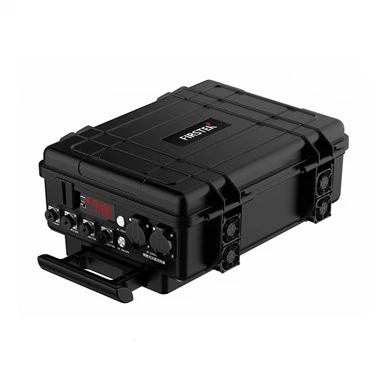
A portable energy storage power supply referred to as a “power station”, is a small portable power supply device with a built-in battery that replaces traditional small fuel generators. It has the characteristics of large capacity, high power, safety, and portability and can provide a power supply system with stable AC/DC voltage output. The battery capacity usually has a wide range, equipped with AC, DC, Type-C, USB, PD, and other interfaces, which can match the mainstream electronic equipment on the market, suitable for outdoor travel, emergency disaster relief, medical rescue, outdoor operations, and other scenarios.
-

51.2V 100AH LiFePO4 Portable Power Station
• Model number: PPS-5kWh . • Nominal voltage: 51.2V. • Nominal capacity: 100Ah. • Dimension(W*D*H):
Add to Inquiry -
25.6V 150AH LiFePO4 Portable Power Station
• Model number: PPS-4kWh . • Nominal voltage: 25.6V. • Nominal capacity: 150Ah. • Dimension(W*D*H):
Add to Inquiry -
25.6V 100AH LiFePO4 Portable Power Station
• Model number: PPS-3kWh . • Nominal voltage: 25.6V. • Nominal capacity: 100Ah. •
Add to Inquiry


Advantages of Portable Energy Storage
Convenience and Mobility
Portable energy storage devices are designed to be lightweight and easy to transport, allowing users to take them anywhere they need power. This makes them ideal for outdoor activities, camping, and emergency situations, where access to traditional power sources may be limited or unavailable.
Independence from the Grid
Portable energy storage devices provide users with the ability to generate and store their own power, independent of the electrical grid. This independence can be particularly valuable in remote areas or during power outages, ensuring that critical equipment and services remain operational.
Energy Efficiency
By storing energy when it's not being used, portable energy storage devices can help balance out peak demand periods, improving the efficiency of the electrical grid. Additionally, many of these devices allow users to charge their electronics directly from the stored energy, reducing energy losses during transmission and distribution.
Environmental Sustainability
Portable energy storage devices can be powered by renewable energy sources, such as solar panels or wind turbines, making them a sustainable and environmentally friendly power solution. By using renewable energy, users can reduce their carbon footprint and contribute to the fight against climate change.
Economic Benefits
Portable energy storage devices can help reduce energy costs by allowing users to charge their devices during off-peak hours, when electricity prices are typically lower. Additionally, for businesses and individuals who rely on backup power for critical operations, portable energy storage can provide a cost-effective solution to ensure business continuity during power outages.
Versatility
Portable energy storage devices can be used to power a wide range of electronic devices, from smartphones and laptops to larger appliances like refrigerators and air conditioners. This versatility makes them a valuable tool for both personal and commercial use.
Outdoor Activities and Camping
Portable energy storage devices, such as power banks and solar-powered generators, are essential for outdoor activities like hiking, hunting, and camping. They provide a reliable source of power to charge electronic devices like smartphones, cameras, and GPS devices.
Emergency Response and Disaster Relief
During natural disasters or emergencies, traditional power sources may be disrupted. Portable energy storage can provide critical power for rescue operations, temporary shelters, and medical facilities, ensuring the continuity of essential services.
Remote Work and Off-Grid Locations
In remote areas or off-grid locations where access to the electrical grid is limited, portable energy storage can provide a reliable power source for workplaces, homes, and other facilities. This includes solar-powered systems that generate and store energy for use during daylight hours and beyond.
Transportation and Logistics
Portable energy storage is also used in transportation and logistics, particularly in electric vehicles (EVs) and hybrid vehicles. These devices can provide backup power for EVs in case of emergency or extend the range of EVs by supplementing the main battery pack.
Photography and Filmmaking
Photographers and filmmakers often rely on portable energy storage to power their equipment, especially in remote locations or during long shoots. These devices can charge cameras, lights, and other equipment, ensuring they have enough power to complete their work.
Events and Temporary Installations
For large events, festivals, or temporary installations, portable energy storage can provide a reliable power source for lighting, sound systems, and other electronic equipment. These devices are often solar-powered, reducing the need for diesel generators and their associated environmental impacts.
Industrial Applications
In certain industrial settings, portable energy storage can be used to power tools, equipment, and sensors. This is particularly useful in remote or off-grid locations where access to traditional power sources is limited.

Components of Portable Energy Storage
Battery Cells
The core component of any portable energy storage device is the battery cells. These cells are typically lithium-ion batteries, which are widely used due to their high energy density and relatively low weight. The number and type of battery cells used depend on the capacity and voltage requirements of the storage device.
Battery Management System (BMS)
The BMS is a crucial component that monitors and manages the battery cells. It ensures that the cells are charged and discharged safely, prevents overcharging and discharging, balances the cells to ensure equal use, and provides information about the battery's status, such as voltage, temperature, and remaining charge.
Charger
The charger is used to recharge the battery cells when the stored energy is depleted. Chargers can be either AC (mains) or DC (such as solar panels or car chargers) depending on the power source available. Some portable energy storage devices also support fast charging technology to shorten charging times.
Inverter
If the portable energy storage device is designed to provide AC power output, it will typically include an inverter. The inverter converts the DC power from the battery cells into AC power, which can be used to power devices like laptops, phones, or small appliances.
Output Ports
Portable energy storage devices typically have various output ports to connect and power different devices. These include USB ports (for charging phones, tablets, etc.), 12V DC ports (for powering car accessories), and AC outlets (for plugging in larger appliances).
Case and Enclosure
The battery cells, BMS, charger, inverter, and other components are typically enclosed in a protective case or enclosure. This provides protection from dust, moisture, and physical damage, ensuring the safety and durability of the storage device.
Safety Features
Portable energy storage devices also include various safety features to prevent accidents and ensure user safety. These include over-current protection, over-voltage protection, short-circuit protection, and temperature monitoring.
The Future of Portable Energy Storage
The future of portable energy storage looks very promising, with advancements in technology expected to lead to improvements in capacity, durability, charging speeds, and safety.
Advancements in Battery Technology
The continuous research and development in battery technology is expected to lead to higher energy densities and longer lifetimes for portable energy storage devices. Lithium-ion batteries are already widely used, but new battery chemistries and structures, such as solid-state batteries, are being developed to further improve performance.
Faster Charging Speeds
Currently, charging portable energy storage devices can take several hours, which can be inconvenient. However, advancements in charging technology, such as high-power charging stations and wireless charging, are expected to significantly reduce charging times in the future.
Durability and Reliability
As the demand for portable energy storage increases, so does the need for devices that are durable and reliable. Manufacturers are working to improve the mechanical and environmental resilience of these devices, making them more suitable for use in extreme conditions.
Integration with Renewable Energy
Portable energy storage devices are increasingly being integrated with renewable energy sources, such as solar panels and wind turbines. This integration allows users to generate and store their own clean energy, providing a sustainable and reliable power source.
Smart Energy Management
The integration of smart energy management systems into portable energy storage devices is expected to become more common. These systems can monitor and optimize energy use, providing users with real-time data on energy consumption and recommendations for improving efficiency.
Safety Improvements
Safety is always a key concern when it comes to energy storage devices. Manufacturers are continuously working to improve the safety of their products, using materials and designs that minimize the risk of fire, explosion, or other hazards.
How to Maximize the Efficiency of Your Portable Energy Storage?
Choose the Right Storage Capacity
Consider your energy needs and choose a portable energy storage device with an appropriate capacity. Buying a device with too much or too little capacity can result in wasted space or insufficient power.
Proper Maintenance
Regularly check and maintain your portable energy storage device. This includes ensuring the battery cells are clean, free of dust and debris, and operating at optimal temperatures. Keep the device away from excessive heat and cold to prevent damage and improve efficiency.
Manage Charging and Discharging
Charge and discharge your portable energy storage device responsibly. Avoid fully discharging the battery, as it can shorten its lifespan. Instead, try to discharge it to about 20% or 30% before recharging. Also, use the appropriate charger and avoid using unauthorized or incompatible charging devices.
Use the Right Output Ports
When connecting devices to your portable energy storage, use the appropriate output ports to match the power requirements of the devices. Using the wrong ports can result in inefficient power delivery and may damage your devices.
Minimize Idle Time
When not in use, turn off any devices connected to your portable energy storage to prevent unnecessary power draw. This helps conserve energy and extends the operational time of your storage device.
Monitor Battery Health
Use the battery management system (BMS) or other monitoring tools to keep track of your battery's health and performance. This allows you to identify any issues early and take corrective measures to maximize efficiency.
Upgrade and Replace Components
As components age or wear out, consider upgrading or replacing them to maintain the efficiency of your portable energy storage device. For example, replacing worn-out battery cells can restore power capacity and improve overall performance.
Smart Usage Habits
Be mindful of your energy usage habits. Avoid unnecessary power consumption by turning off lights, using energy-efficient appliances, and managing your device usage. This helps conserve energy and extends the operational time of your portable energy storage.
The Maintenance Strategy of Portable Energy Storage
Although the service life of portable energy storage is limited, but the actual depends on the use conditions and environment, so the following will introduce several methods to help you extend its life to a greater extent.
Excessive temperature will shorten the life of electronic equipment, damage the battery, and even accelerate the aging of the device shell, prolonged exposure to a humid environment will also cause damage to the power supply, so if you need to store for a long time, you should try to avoid hot and humid, low-temperature environment, keep the device stored in the temperature of -20 ℃ -35 ℃, relative humidity 0 ~ 45% RH environment to reduce the risk of equipment loss.
Under normal circumstances, portable energy storage built-in lithium-ion batteries support simultaneous charging and discharging, but this will, to a certain extent, put a burden on the lithium-ion battery, resulting in accelerated battery degradation, so the use of utility power or solar panels for energy storage power charging, should try to reduce the number of power supply for other devices, in order to enhance the durability of energy storage power.
The amount of battery remaining in the portable energy storage during idle is also very important, should try to avoid storage with a full charge or 0% state, if a long time in a state of lack of power, it is likely to lead to the inability to charge again, largely weakening the performance of the storage power supply, and even lead to the inability to recharge the situation, so usually maintain the power in 30-50%, and in each month to charge the battery can maintain battery health in A better state.
The battery is in a non-working state for a long time, the battery electrode is prone to passivization, so we need to increase the frequency of use of the power supply so that the electrons in the battery are in a state of flow, so that the maximum performance of the lithium-ion battery. If not used for a long time, please fully charged in time, and every three months be sure to carry out a deep charge and discharge, do a power calibration.
Top Ways to Save Electricity with a Portable Energy Storage
Off-Grid Usage
Use your portable energy storage device to power essential appliances and electronics when you're off-grid or away from a traditional power source. This can include using it to charge phones, laptops, or small appliances, reducing the need for generators or other high-consumption power sources.
Peak Shaving
If you have access to a renewable energy source like solar panels, you can use your portable energy storage device to store excess energy during the day. Then, during peak hours when energy demand and prices are higher, you can use the stored energy to power your home, reducing your reliance on the grid and potentially saving money on your electricity bill.
Emergency Backup
Keep your portable energy storage device charged and ready to use in case of power outages or emergencies. This way, you can continue to power essential items like lighting, communication devices, or medical equipment without having to rely on a backup generator or other high-consumption sources.
Energy-Efficient Appliances
Consider using energy-efficient appliances and electronics when possible. This can help reduce the amount of energy needed to power these devices and extend the lifespan of your portable energy storage device.
Energy Monitoring
Use a smart energy monitor or app to track your energy usage and identify areas where you can conserve. This can help you identify high-consumption appliances or behaviors and make changes to reduce your overall energy use.
Regular Maintenance
Ensure your portable energy storage device is properly maintained and in good working condition. This includes regularly checking the battery cells, keeping the device clean, and following manufacturer's instructions for charging and discharge.
How Portable Energy Storage Reduce Carbon Footprint
Portable energy storage devices can help reduce carbon footprint in several ways:
Decentralized Energy Generation:
By using renewable energy sources like solar panels or wind turbines to charge your portable energy storage device, you can generate energy locally and reduce the need for centralized power plants. This decentralized approach helps reduce the amount of greenhouse gas emissions associated with long-distance transmission lines and large-scale power generation.
Reducing Fossil Fuel Dependence:
Traditional power plants often rely on fossil fuels like coal, oil, and gas, which release significant amounts of carbon dioxide when burned. By using a portable energy storage device to power your home or business during peak hours or off-grid situations, you can reduce your dependence on fossil fuels and thus reduce your carbon footprint.
Efficient Energy Usage:
By using a portable energy storage device to store excess energy generated by renewable sources, you can ensure that the energy is used efficiently. This reduces waste and prevents the need for additional power generation, which can further reduce carbon emissions.
Emergency Backup:
In case of power outages or disasters, a portable energy storage device can provide emergency power to essential appliances and electronics, reducing the need for diesel generators or other high-emission backup sources.
Reduced Energy Losses:
Traditional power grids often experience significant energy losses during transmission and distribution. By generating and storing energy locally using a portable energy storage device, you can reduce these losses and ensure that more energy reaches its destination.
Promoting Sustainability:
The widespread adoption of portable energy storage devices can promote a more sustainable energy system that relies less on fossil fuels and reduces greenhouse gas emissions. This can have a positive impact on climate change and environmental sustainability.
Are There Any Special Considerations When Using Portable Energy Storage Devices?
Safety Precautions
Always handle and operate the device according to the manufacturer's instructions. Avoid exposure to extreme temperatures, water, or other liquids. Keep the device away from fire or other sources of ignition.
Charging and Discharging
Ensure that the device is charged and discharged within its specified limits. Overcharging or discharging can damage the battery and pose a safety hazard.
Compatibility
Make sure that the Portable Energy Storage device is compatible with the devices you plan to power. Check the voltage and current ratings to ensure compatibility.
Maintenance
Regularly maintain the device by checking the battery health, cleaning the external surfaces, and storing it in a cool, dry place. This will help prolong the lifespan of the battery.
Disposal
If the battery needs to be replaced or disposed of, follow local regulations and dispose of it responsibly. Batteries can pose a threat to the environment if not disposed of properly.
Power Management
Manage your power usage effectively to maximize the runtime of the device. Avoid running the battery down too low, as this can affect its performance and lifespan.
Process Quality Management
We implement the following quality management processes:

Our Factory
With accumulated 20 years experience in the industry, FIRSTEK has established its name in Lead-acid battery & LiFePO4 battery manufacturing and R&D. FIRSTEK not only produces car battery, VRLA/SLA battery, Motorcycle battery, Battery Plates, Lead acid replacement (LiFePO4) battery, ESM(Energy Storage Modules) & ESS(Energy Storage Systems), Solar Home System, but also customizes lithium ion battery and develops BMS to meet the battery requirements of different applications. Ultimately, aim to be part of all clients’ growth.

Ultimate FAQ Guide to Portable Energy Storage
As one of the most professional portable energy storage manufacturers and suppliers in China, we're featured by high quality and good service. Please rest assured to buy portable energy storage at reasonable price from our factory. Contact us for datasheet and quotation.
51 2V 100AH LiFePO4 Portable Power Station, fusion lifepo4 battery, power lifepo4 battery